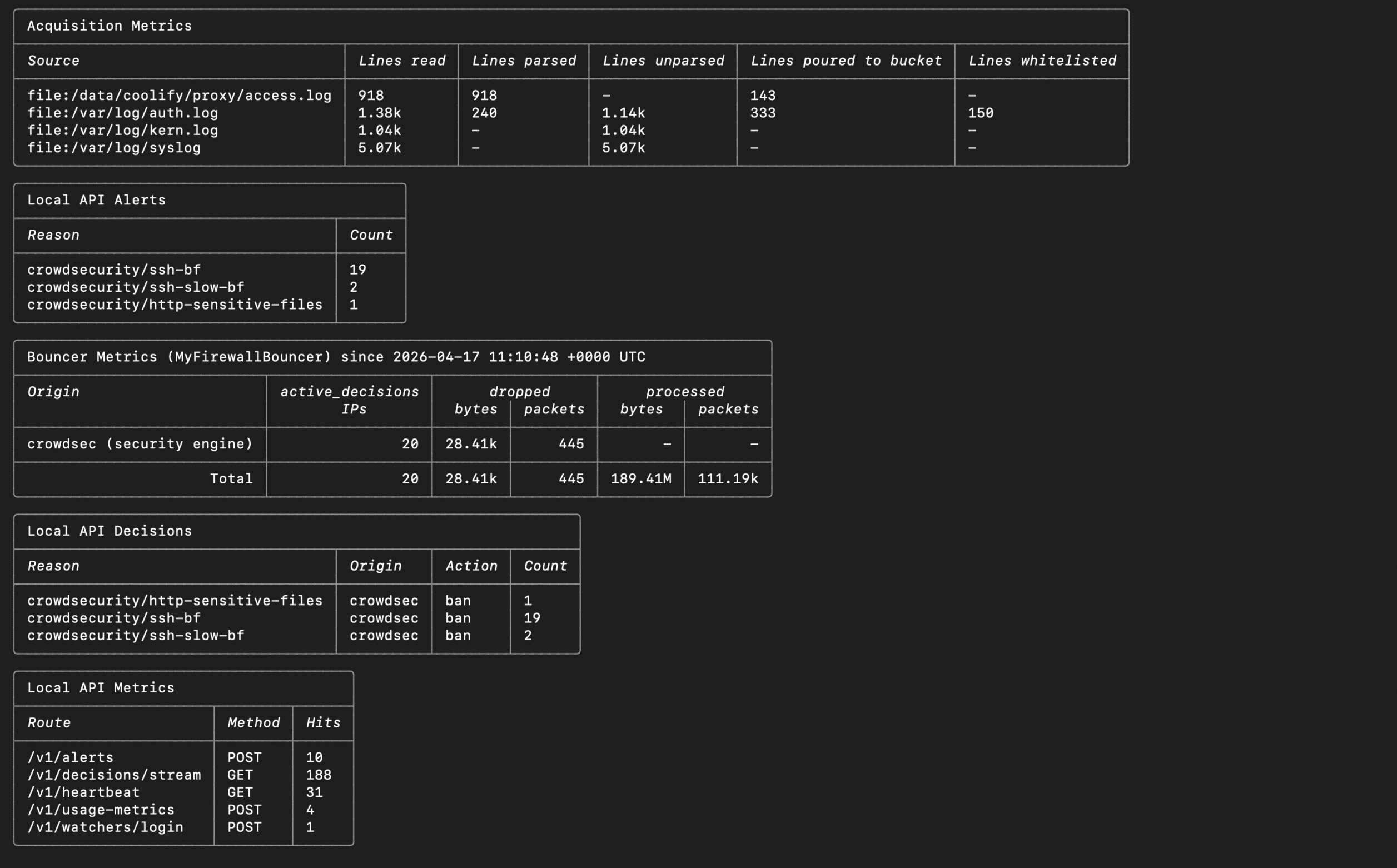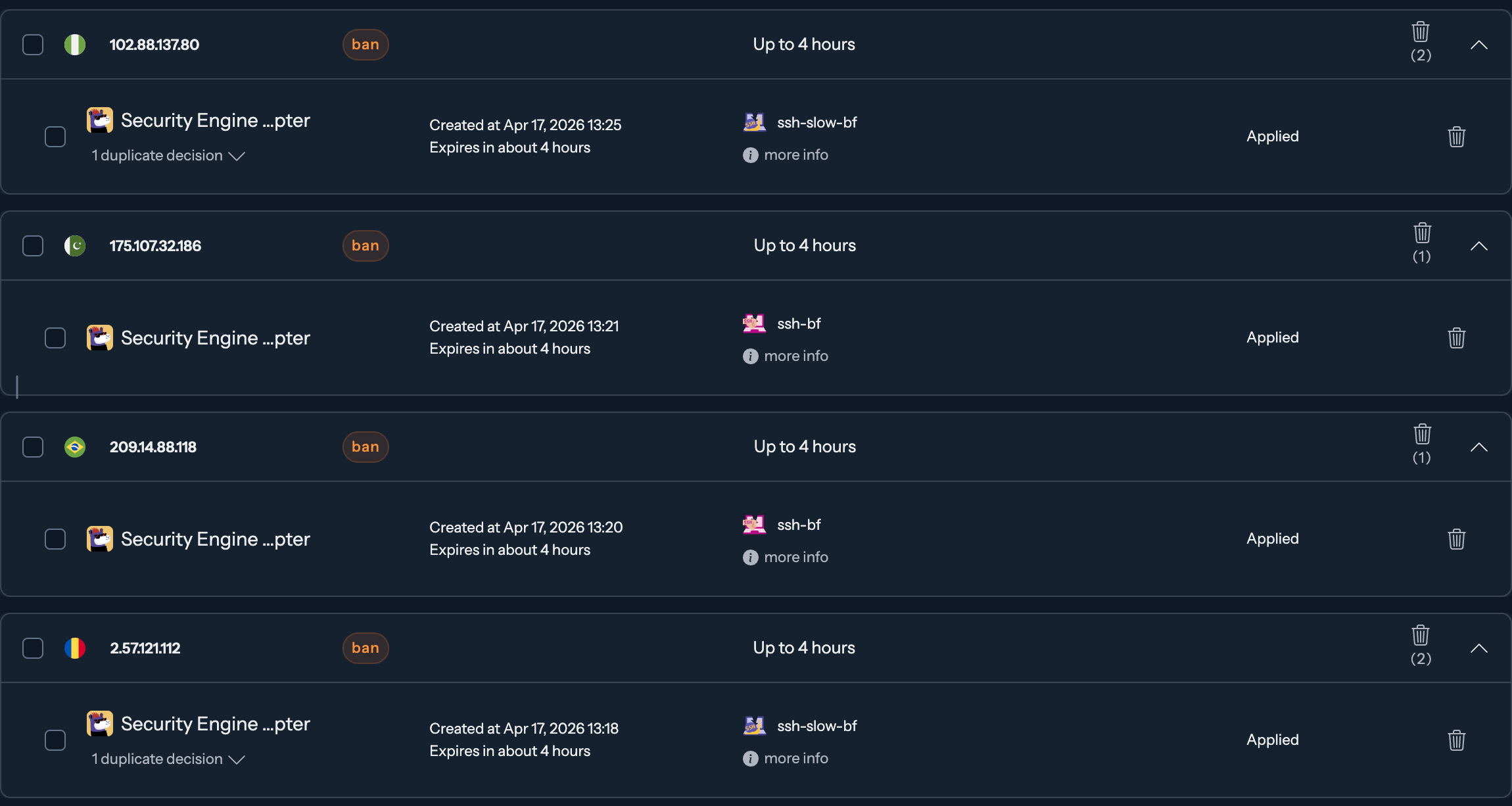

Setting up a Smart Bouncer is the first thing you should do when you launch a new website or set up a server.
When you launch a new website or set up your own server, it is an exciting moment. You are opening your digital doors to the world, hoping for real human visitors to read your content, buy your products, or use your apps.
But there is a hidden reality of the internet that most beginners don’t see, the moment your website goes live, the bots start knocking.
Within minutes of connecting to the internet, automated scripts and malicious bots begin scanning your digital home. They rattle the doorknobs, check the windows, and look for any weak spot they can exploit. If you don’t have the right security in place, it is not a matter of if they will find a way in, but when.
Here is a simple breakdown of how to build a security system that actually works, and why setting it up is the best thing you can do to reduce your risk.
The Problem: Leaving the Front Door Wide Open
Imagine your server is a house.
- The Back Door: This is the private entrance you use to manage your server behind the scenes. Most people are good at locking this door with strong passwords.
- The Front Door: This is your public website (like a WordPress blog). Because it has to be open for your normal visitors, it is incredibly vulnerable.
Many people mistakenly believe that if they lock the back door, they are safe. But hackers don’t usually bother with the back door if they can just walk through the front door. This is why a Smart Bouncer is essential for any public-facing site.
The Solution: The “Detect and Eject” Process
To truly protect your digital home, you need more than just a locked door. You need an active security team. Recently, I went through the process of setting up a modern, intelligent security stack. It sounds highly technical, but it actually breaks down into three logical steps:
1. Installing the Security Cameras (The Logs) Every time a computer connects to your website, your server makes a tiny note of it—what time they arrived, what they asked to see, and where they came from. Normally, these notes just sit in a digital filing cabinet gathering dust. The first step is to pull those notes out and put them where they can be actively watched.
2. Hiring the Detective (The Brain) Next, we brought in a smart security engine (like CrowdSec). Think of this as a detective who sits in the security room, watching the camera feeds in real-time. This detective is trained to know the difference between a normal human visitor and a malicious bot. If someone tries to guess a password 50 times in one minute, the detective immediately flags them as a threat.
3. Stationing the Bouncer (The Firewall) A detective is useless if they can’t take action. The final piece of the puzzle is the Bouncer. The detective radios the Bouncer and says, “That guy in the red hat is trouble.” The Bouncer immediately steps outside and drops a concrete barrier in front of the attacker.
While this Smart Bouncer setup handles server-level threats, you can see how I implement similar ‘Safe Zone’ principles in my other development projects to ensure full-stack integrity.
Why This Reduces Your Risk (The Global Shield)
The beauty of connecting the Cameras, the Detective, and the Smart Bouncer is that it creates a Global Shield around your entire system.
Before this setup, a bot could attack your website, fail, and then sneak around to the back door to try again. But with this proactive Smart Bouncer system, the moment an attacker reveals their bad intentions anywhere on your property, they are instantly banned from the entire premises. Because the Smart Bouncer operates at the server level, they can’t see your website, they can’t touch your server, and they become completely invisible to your digital home.
Furthermore, these systems talk to a global network. If a bot is caught attacking a website in Tokyo, its identity is shared with your Smart Bouncer in seconds. This allows your Smart Bouncer to block them before they even have a chance to knock on your door, ensuring your website security remains bulletproof.